
Waterbury Parole and Probation
Parole and probation both allow a person to live in the community under rules, but they begin in different ways. Parole follows a prison sentence. The Connecticut Board of Pardons and Paroles decides whether an eligible person may leave prison before the maximum term ends. The Connecticut Department of Correction then carries out parole supervision through Parole and Community Services. Probation comes from a judge as a sentence, or as one part of a split sentence, and the Connecticut Judicial Branch Court Support Services Division supervises it.
Special parole is a third status. A court imposes it for a period after incarceration, so it should not be read as ordinary probation or as a Board grant of parole. A Waterbury defendant may be on parole, probation, special parole, or no supervision after release. The court judgment and agency record settle that issue. A current-custody result only shows that someone remains held. It does not prove the type of community supervision that may follow.
| Status | How it begins | Primary record | Connecticut authority |
|---|---|---|---|
| Parole | Board-authorized release before the prison term fully expires | BOPP hearing or decision record, CT DOC status, and supervision record | Board of Pardons and Paroles and CT DOC |
| Probation | Sentence or condition ordered by a court | Waterbury criminal case disposition and probation record | Judicial Branch Court Support Services Division |
| Special parole | Court-imposed supervision after incarceration | Sentencing judgment, CT DOC record, and supervision record | Court and CT DOC |
- Parole
- Conditional release from prison before the maximum sentence ends.
- Probation
- A court sentence served in the community under stated rules.
- Discharge
- The formal end of custody or supervision.
- Absconder
- A supervised person whose location is unknown after failing to remain in contact.
Verify Waterbury Release Supervision
Start with the event that led to release. A short Waterbury Police hold may end by bond, summons, or promise to appear without any parole status. A person remanded to New Haven Correctional Center may later leave on a court order, complete a sentence, enter parole, or move to another form of community placement. Probation, by contrast, will be grounded in the Waterbury court sentence. This order prevents a common mistake: reading an absence from the CT DOC search as proof of parole or probation.
- Check the Connecticut Judicial Branch criminal or motor vehicle case record for the Waterbury docket. Read the disposition, sentence, probation term, bond orders, and later court entries.
- Use the CT DOC Inmate Search if the person entered state custody. A current result indicates custody, while release or movement details may require another channel.
- For possible parole, review the BOPP hearing calendar. The calendar can show a scheduled proceeding but is not a complete name-search decision database.
- Contact BOPP about its parole record or request a hearing copy when needed. For probation, contact the Judicial Branch probation office tied to the Waterbury case.
- Use Connecticut VINE for a custody-status change, then confirm the legal basis with CT DOC, BOPP, or the court. VINE is a status and notice tool, not a sentence record.
The complete Waterbury release path also matters. Federal Bureau of Prisons supervision is not Connecticut parole, and an immigration transfer is not a release to the community. The Waterbury County released-inmate search and records path separates police, state, court, federal, and immigration records when the original custody source is not clear.
Note: No Waterbury-specific public absconder list was found, so use court, DOC, BOPP, VINE, and official law-enforcement records.
Waterbury Parole Office Details
Waterbury has an unusual local tie to statewide parole administration. The Connecticut Board of Pardons and Paroles is headquartered downtown. Its office handles Board contacts, parole questions, hearing information, and record routes, while CT DOC carries out the day-to-day supervision of people released on parole. The address should not be treated as every person's reporting office. A supervising officer or agency record must identify the office and reporting instructions for a specific case.
Connecticut Board of Pardons and Paroles
55 West Main Street, Suite 520
Waterbury, CT 06702
Parole: 203-805-6605
Email: ct.bpp@ct.gov
Monday through Friday, 8:30 a.m. to 4:30 p.m.
The official BOPP contact page notes that this is a secure building and proper identification is needed for entry. Call first when the purpose is record verification rather than an in-person visit. Questions about pardons use a different listed line and should not be mixed with parole supervision inquiries.
Probation uses a different local route. The state service directory identifies Waterbury Adult Probation at 11 Scovill Street, while Judicial Branch contacts for Waterbury also appear at 400 Grand Street. Verify the correct reporting site from the court case or assigned officer before visiting because the BOPP headquarters does not supervise ordinary probation cases.
The official Board contact page shows where Waterbury parole information is routed:
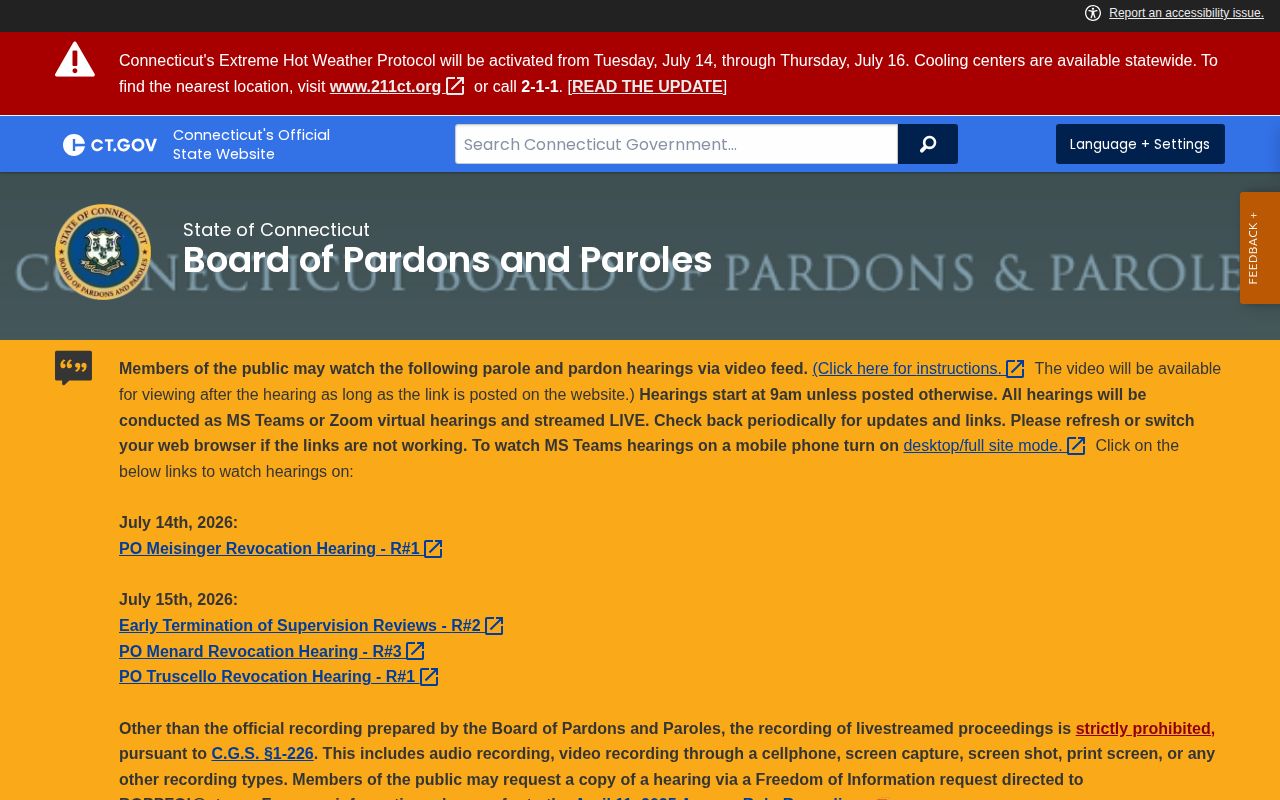
The image supports the local contact details, but a person's current terms still come from the assigned supervision record.
Waterbury Parole Hearing Records
A parole eligibility date is not a release date. Connecticut law places many parole decisions under Conn. Gen. Stat. Sec. 54-125a, but eligibility depends on the sentence and offense category. A legislative summary describes a general 50-percent consideration framework for many nonviolent sentences and an 85-percent framework for violent offenses, with some offenses excluded. Those percentages describe when consideration may occur. The Board panel still decides whether parole serves the public welfare and may grant, deny, continue, or otherwise act on a case.
BOPP posts dated hearing links and says hearings start at 9 a.m. unless the listing states otherwise. Proceedings are held through MS Teams or Zoom and streamed live. The Board's official recording is the authorized recording. A copy may be requested through FOI at BOPPFOI@ct.gov. No separate current public name-search database of all parole decisions was found, so a calendar entry should be paired with Board records and a later CT DOC or VINE status change.
The BOPP hearing calendar provides the current schedule and official viewing links:
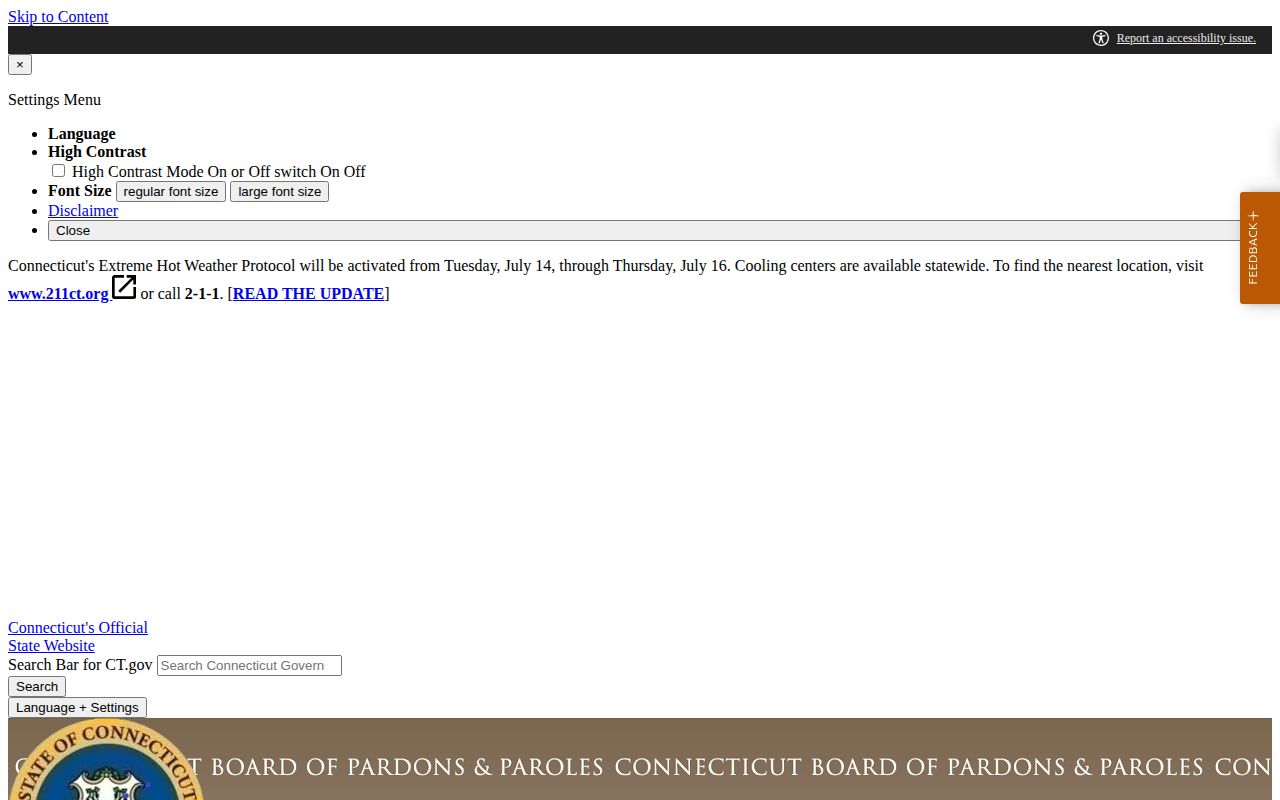
The calendar helps locate a hearing, while the Board record and CT DOC status confirm the outcome and any release.
Waterbury Supervision Violations
Conditions are the rules attached to release. They can involve reporting, travel, treatment, contact, residence, or other case-specific duties, but the exact terms are found in the person's order and supervision papers. A violation allegation does not by itself show the final result. It may lead to an agency response, a warrant, a return to custody, a hearing, a modified condition, or no sustained violation after review.
An absconder is someone alleged to have stopped reporting or whose location is unknown to the supervising authority. No official Waterbury public absconder list appeared in the research. Check the Waterbury court docket for a warrant or violation matter, CT DOC or VINE for a new custody event, and BOPP for parole proceedings. Urgent location or safety issues belong with law enforcement, not a public-record inference.
Note: A pending warrant, parole hold, and final revocation are different stages and should not be described as the same result.
Waterbury Parole Reentry Support
Post-release orientation has a local Waterbury route. Community Partners in Action identifies Greater Waterbury as one of its Reentry Welcome Center locations. The Waterbury reentry directory lists the center at 77 Bishop Street, Waterbury, with phone 203-800-2279. It is a navigation and support resource, not the agency that proves parole, probation, or discharge. Official supervision questions must still go to the assigned officer, CT DOC, BOPP, or the Judicial Branch.
The Community Partners in Action reentry page describes the Connecticut reentry work connected to the local center:
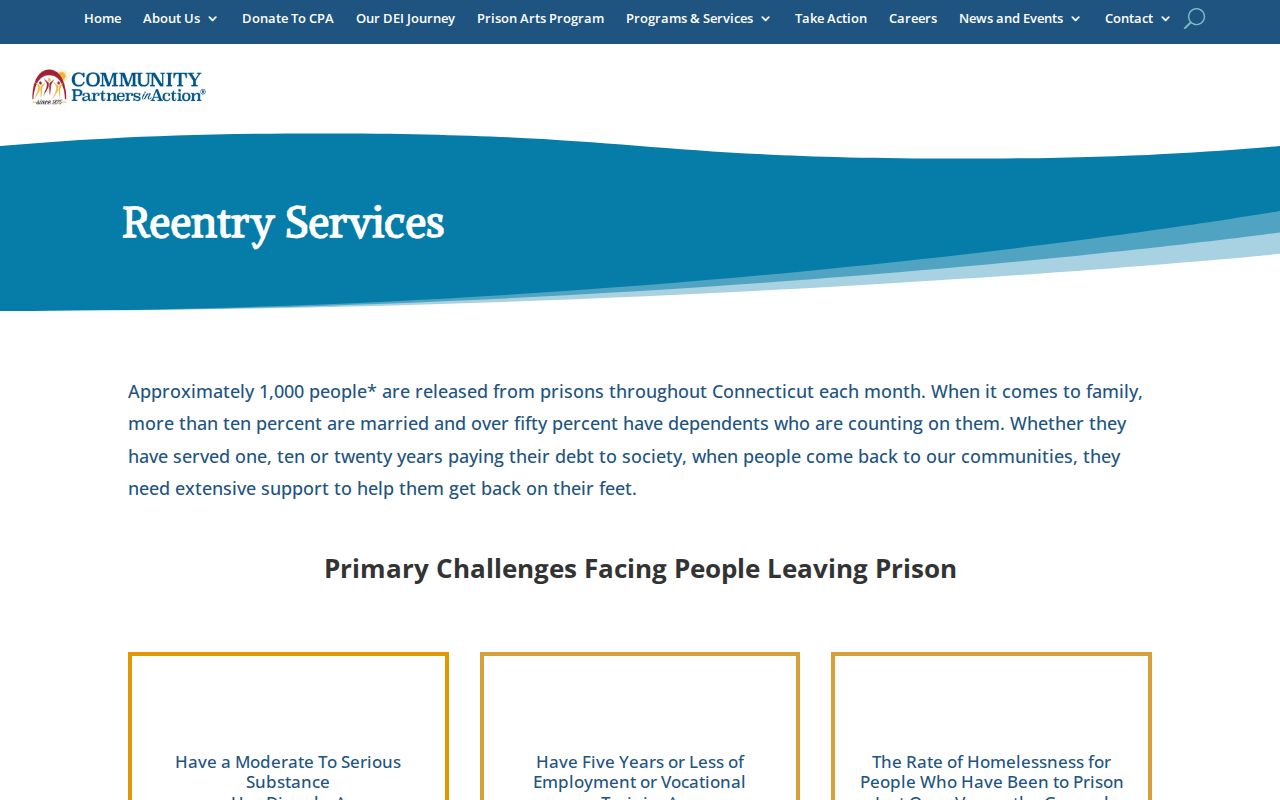
The resource may help a person plan next steps, while the formal terms of supervision remain controlled by the court or corrections agency.
Waterbury Release ID and Property
CT DOC has a precise rule for identification held apart from other property. Identification remains at the discharging facility through release. If it is not claimed, the facility keeps it for 30 days. It is then sent to DOC Central Office in Wethersfield, where it may be stored for up to two years after discharge. This can matter when a person starts parole or special parole without retrieving the documents needed for appointments and services.
The CT DOC Offender Re-Entry Services page is the official source for that post-discharge property route:
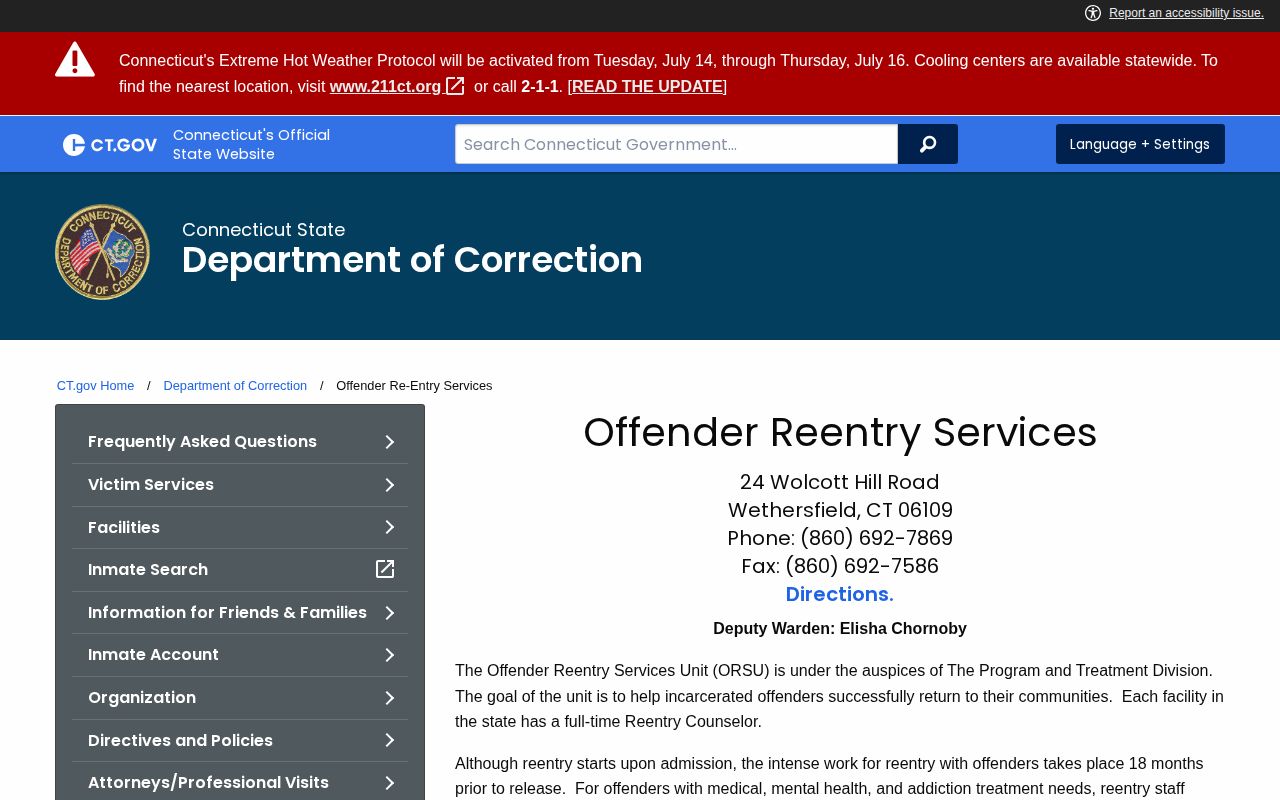
The rule points a former inmate back to the discharging facility first, not automatically to Waterbury Police or the Board office.
Waterbury Supervision Discharge Records
Supervision ends through a formal event, not just the passage of time on a calendar. Probation ends under the court judgment and any later order. Parole may end at discharge or maximum expiration, subject to the governing record. Special parole follows its court-imposed term. A person can also return to custody or have a condition changed before the expected end date, so an old projected end date should not be treated as current proof.
For probation, request or inspect the final Waterbury docket entries. For parole, use BOPP and CT DOC records sufficient to show the release status and discharge. If the public CT DOC search no longer returns the person, the DOC Freedom of Information channel can address movement, release, and discharge records that are disclosable. Connecticut VINE can support the timeline, but it is not an archive of every supervision action.
A discharge from parole or probation does not erase the underlying case. Erasure is a separate legal process under Connecticut law, and public availability can change only when the law and an agency's record duties require it. Keep the supervision record, court status, and custody history distinct when confirming a Waterbury release.